Not all bar menus are created equal. Some charge steep markups on drinks, appetizers, or cocktails that barely justify the cost. Whether you’re out for a casual happy hour or on a weekend bar crawl, knowing how to spot an overpriced bar can save you from wasting money—and help you get more value for your night out.
Here’s what to look for when deciding if the drink in your hand is worth the price on the receipt.
- Overcomplicated cocktails with no clear ingredients
Cocktails with vague descriptions like “house-infused mystery spirits” or trendy but ambiguous ingredients often come with inflated prices. A $17 drink should list premium liquors and mixers you recognize. If the ingredients are unclear or hidden behind flashy names, you may be paying more for branding than substance.
Sites like Liquor.com and The Spruce Eats offer detailed cocktail breakdowns so you can compare what you’re getting at the bar with standard recipes.
- Hidden service fees or “venue charges”
Some upscale venues add automatic gratuity or a service fee without disclosing it until after you receive the bill. Others may charge a “venue fee” or “premium seating surcharge” on top of already elevated menu prices.
Check the fine print on menus or ask your server if additional charges apply. Apps like Yelp often feature user reviews that mention unexpected fees.
- No happy hour pricing—or blackout windows
Bars that skip happy hour entirely—or limit it to impractical times—may not offer much value. A quality bar often rewards customers with early evening deals or weekday promotions. If a menu lacks any sign of reduced pricing or daily specials, you’re likely paying top-tier prices at all times.
Use tools like Yelp’s Happy Hour filter or local event listings on The Infatuation to scout better-priced alternatives nearby.
- Overpriced snacks and appetizers
Small plates with gourmet descriptions and elevated prices often don’t match the portion size or ingredient quality. If you’re seeing bar snacks like fries or sliders priced above $15 without a clear reason (e.g., truffle oil, wagyu beef), it’s a signal you may be overpaying.
Cross-reference common bar food prices on sites like Grubhub or DoorDash to get a sense of fair pricing in your area.
- Marked-up well drinks or basic beer
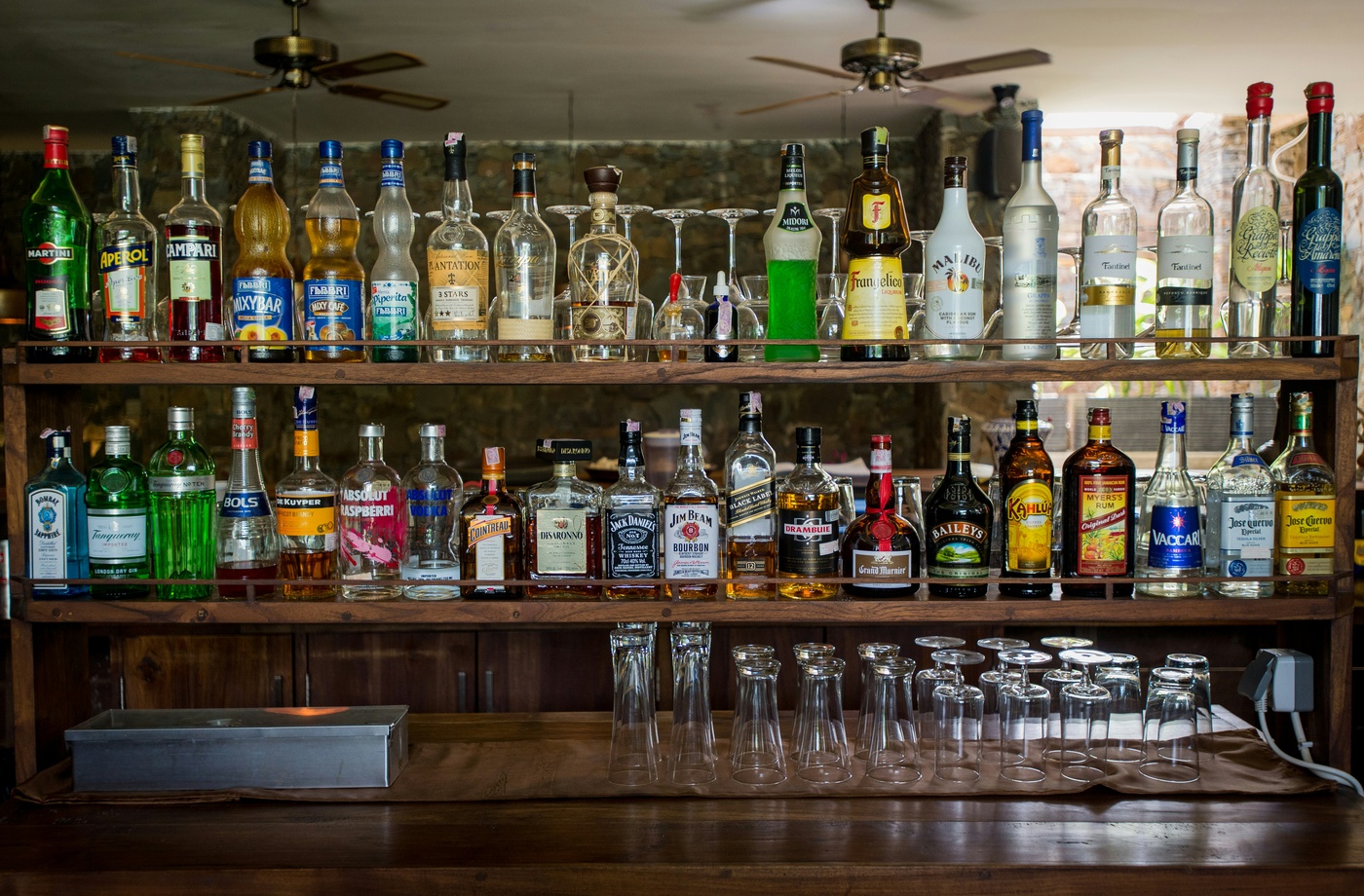
When a standard beer is $9 or a well rum and Coke costs more than a craft cocktail elsewhere, it’s a clear sign of a price gap. Bars that rely on premium pricing for bottom-shelf drinks are usually targeting unaware tourists or high-rent areas with little competition.
- Minimal portion cocktails
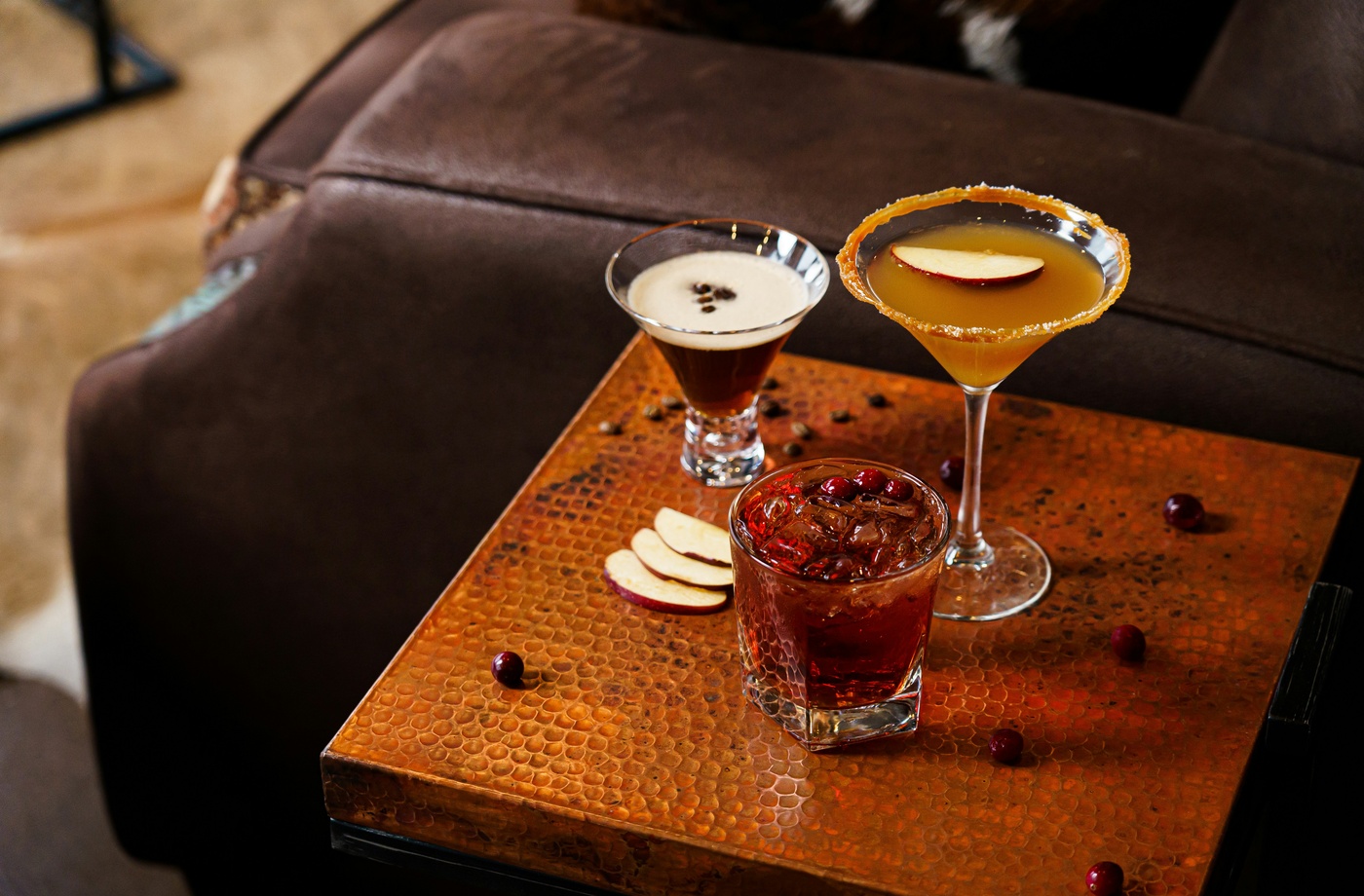
If your drink disappears in two sips, you’re not getting your money’s worth. Watch the pour size and glass type. Tall glasses with excessive ice or tiny coupes filled halfway signal poor value, especially when cocktails exceed $14–$16.
- No loyalty program or rewards participation
While not a deal-breaker, the absence of any bar-specific perks, loyalty apps, or happy hour deals often indicates a bar that prioritizes profit over guest retention. Even chain bars like Chili’s or BJ’s offer member discounts through their rewards programs.
Conclusion
An overpriced bar menu isn’t always about the dollar amount—it’s about the value you get for the price. By learning what red flags to watch for, you can make smarter decisions, enjoy better drinks, and avoid overspending.